⚖️
2026 Regulatory Update — PCAC Hearing July 23
MOTS-c is on the FDA's 2026 regulatory agenda in two sequential steps: the April 2026 Category 2 removal and the upcoming July 23 PCAC advisory hearing. This is the most significant regulatory movement for mitochondrial-derived peptides since the original Category 2 classification.
Regulatory Timeline
Pre-2026
MOTS-c listed under FDA Category 2 — bulk substances deemed to present safety risks, prohibited for use in compounding pharmacies.
Apr 15, 2026
FR Doc. 2026-07361 (Docket FDA-2025-N-6895) removes MOTS-c from Category 2. The explicit prohibition on compounding use is lifted — but MOTS-c is not yet affirmatively authorized. It remains off the 503A Bulk Drug Substances List.
Jul 9, 2026
Public comment deadline for the PCAC docket. Researchers, institutions, and patient advocates may submit evidence to the committee before the hearing.
Jul 23, 2026
FDA Pharmacy Compounding Advisory Committee (PCAC) Day 1 hearing. MOTS-c is evaluated alongside BPC-157, KPV, and TB-500 for potential inclusion on the 503A Bulk Drug Substances List. The PCAC is advisory only — it does not make binding regulatory decisions.
Late 2026
PCAC formal recommendations published. A positive recommendation triggers FDA rulemaking — it does not immediately authorize compounding.
2027
Estimated implementation window if the full rulemaking process is completed following a positive PCAC recommendation.
What Changed (Apr 2026)
Category 2 removal ends the explicit prohibition on compounding use. Compounding pharmacies are no longer barred by the Category 2 designation — but they also lack affirmative authorization.
What Hasn't Changed
MOTS-c is not an FDA-approved drug. Compounding is not yet authorized. A positive PCAC recommendation still requires rulemaking. RUO status is unaffected by any of these regulatory developments.
Context: The MAHA movement and elevated HHS attention have accelerated regulatory review timelines for peptides. The PCAC proceeding is formal and evidence-driven — the political environment shapes prioritization, not outcomes. For a peptide as recently characterized as MOTS-c (2015), the research record submitted to the committee will be thin compared to peptides with decades of clinical data.
📡 Weekly peptide research updates — regulatory updates, new compound profiles, COA alerts.
⚠️ FDA PCAC: -- days left
No spam. Unsubscribe anytime. 7 peptides under review — see what's at stake →
🔬
What is it?
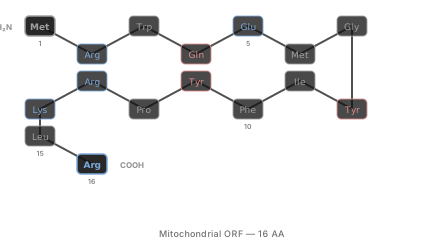
MOTS-c is a 16-amino-acid peptide with a genuinely unusual origin: it is encoded not in the nuclear genome that governs most cellular biology, but inside the mitochondrial genome — the separate, ancient DNA that lives within mitochondria themselves. Mitochondria are the organelles responsible for cellular energy production, and the fact that they carry their own independent genome is a relic of their evolutionary origin as free-living bacteria that were absorbed into early eukaryotic cells approximately 1.5 billion years ago. MOTS-c is part of a newly identified class of molecules called mitochondrial-derived peptides (MDPs), which includes humanin and SS-31, all of which appear to function as stress-response signals originating from within the mitochondria.
The peptide was first characterized in 2015 by researchers at the USC Davis School of Gerontology led by Changhan David Lee. Its sequence — Met-Arg-Trp-Gln-Glu-Met-Gly-Tyr-Ile-Phe-Tyr-Pro-Arg-Lys-Leu-Arg (MRWQEMGYIFYPRKLR) — encodes a molecular weight of approximately 2,170 Da. Unlike many signaling peptides derived from precursor proteins in the secretory pathway, MOTS-c is generated directly from a short open reading frame in the 12S ribosomal RNA gene region of mitochondrial DNA. This is why its full name — Mitochondrial Open Reading Frame of the 12S rRNA Type-c — directly describes its genomic address.
What makes MOTS-c particularly interesting to researchers is its dynamic behavior in circulation: plasma concentrations change measurably in response to exercise, caloric restriction, and aging. Levels decline with advancing age in humans, and MOTS-c appears in the bloodstream rather than staying locked inside cells — meaning it functions as a genuine circulating hormone-like signal, not merely an intracellular messenger. Researchers describe this as mitochondria "communicating" systemic metabolic status to the body at large.
MOTS-c sits alongside Humanin and SS-31 in a family of mitochondrial-derived peptides now attracting active research interest. Each member of this family appears to encode different aspects of mitochondrial stress signaling, and the collective discovery of MDPs as a class is reshaping how researchers think about what mitochondria actually do beyond ATP synthesis.
⚡
Why Researchers Care
MOTS-c occupies a convergence point in several major research fields simultaneously — metabolic regulation, exercise physiology, longevity biology, and mitochondrial medicine. The FDA's July 23, 2026 advisory committee date (Federal Register docket FDA-2025-N-6895) on mitochondrial-derived peptides as a therapeutic class signals that this research area is approaching regulatory scrutiny, making the basic science particularly relevant.
- AMPK activation mimicking exercise: MOTS-c activates AMPK (AMP-activated protein kinase), the master metabolic switch that is also activated by exercise, caloric restriction, and metformin. This positions MOTS-c as a research tool for studying the cellular mechanisms underlying metabolic benefits of physical activity — without the confounding variables of actual exercise protocols
- Insulin sensitivity and glucose metabolism: Published studies in rodent models demonstrate MOTS-c administration improves insulin sensitivity, reduces fasting glucose, and enhances glucose uptake in skeletal muscle — making it relevant to research into metabolic dysfunction, insulin resistance, and type 2 diabetes mechanisms
- Age-related metabolic decline: Human studies have documented declining plasma MOTS-c concentrations with age. This decline correlates with well-characterized age-related metabolic changes, positioning MOTS-c as a potential biomarker for aging-related mitochondrial function and a mechanistic research target for the metabolic component of biological aging
- Nuclear translocation under stress: Under glucose restriction or metabolic stress, MOTS-c has been shown to translocate from the cytoplasm into the cell nucleus, where it directly modulates gene expression — a behavior highly unusual for a peptide of its size and one that suggests a direct regulatory role beyond AMPK signaling
- Obesity and fat metabolism: High-fat diet mouse models administered MOTS-c show resistance to diet-induced obesity, reduced adiposity, improved fatty acid oxidation, and improved metabolic flexibility — positioning it as a research tool for studying the cellular machinery of fat metabolism and energy homeostasis
- Newly discovered peptide class: MOTS-c was described less than a decade ago. The field of mitochondrial-derived peptides as a whole is less than 20 years old. Researchers working in this space are mapping truly new biology — which creates both high scientific interest and significant interpretive caution given the limited research depth compared to more established peptide classes
⚙️
How It Works
MOTS-c operates primarily through activation of AMPK (AMP-activated protein kinase), a cellular energy sensor that functions as a master regulator of metabolic homeostasis. When the AMPK pathway is activated, cells enter an energy-conservation and fuel-efficiency state: glucose uptake increases, fatty acid oxidation accelerates, anabolic processes (protein and fat synthesis) slow, and mitochondrial biogenesis is upregulated. This constellation of effects is the same cellular response triggered by vigorous aerobic exercise — which is why MOTS-c research is frequently framed around exercise-mimetic properties.
Primary mechanism — AMPK activation via AICAR pathway: Research suggests MOTS-c acts through folate cycle interference in the mitochondria, leading to an increase in AICAR (5-Aminoimidazole-4-carboxamide ribonucleotide) — a naturally occurring AMPK activator. AICAR binds to and activates AMPK, which then phosphorylates downstream targets including ACC (acetyl-CoA carboxylase, which regulates fatty acid synthesis), PGC-1α (which drives mitochondrial biogenesis), and GLUT4 translocation (which increases glucose uptake in muscle). This indirect activation through AICAR represents a mechanistic link between mitochondrial metabolic status and whole-cell energy management.
Secondary mechanism — Nuclear translocation and direct gene regulation: Under conditions of glucose deprivation or metabolic stress, MOTS-c has been observed to translocate from the cytoplasm to the cell nucleus. Once in the nucleus, it appears to directly interact with regulatory elements of nuclear DNA, modulating expression of genes involved in stress response, antioxidant defense, and metabolic adaptation. This nuclear role is distinct from the cytoplasmic AMPK pathway and suggests MOTS-c acts as a direct mitochondria-to-nucleus messenger — a mechanistic concept called "retrograde signaling" that is actively being mapped across the MDP class.
Systemic circulation: MOTS-c appears in plasma at measurable concentrations — meaning it functions as a circulating signal, not merely a local intracellular messenger. This systemic distribution implies that mitochondria in one tissue (potentially highly metabolically active tissues like muscle or liver) may be influencing metabolic regulation in distant tissues. The full scope of this endocrine-like signaling is an active research question.
Think of it like this 🧠
Your cells' power plants (mitochondria) generate ATP but also continuously monitor how stressed or fuel-restricted they are. MOTS-c is essentially a text message from the power plant to the rest of the cell — and to the bloodstream — saying "we're under metabolic stress, activate efficiency mode." Most cellular signals originate in the nucleus (the main office) and travel out to organelles. MOTS-c goes the other direction: it's the power plant writing a memo back to the main office telling it to change how the entire facility operates. That's unusual biology, which is why researchers find it compelling.
📊
Research Summary
MOTS-c was first described in 2015, making it one of the most recently discovered compounds in the research library. The literature has grown substantially since then, with primary research groups in the United States (USC), Japan, and South Korea. Key documented findings:
- Initial characterization — Lee et al. (2015): The seminal paper in Cell Metabolism by Changhan David Lee's group at USC identified MOTS-c as a mitochondrially encoded peptide, characterized its MRWQEMGYIFYPRKLR sequence, and demonstrated in mouse models that it activated AMPK signaling in skeletal muscle and liver. The same study showed MOTS-c administration improved insulin sensitivity and reduced body fat accumulation in high-fat diet mice — establishing the foundational metabolic research framework
- Exercise-induced release — Kim et al. (2022): Research published in Nature Communications documented that MOTS-c plasma concentrations increase in response to exercise in both mice and humans, and that this exercise-induced MOTS-c is sufficient to mediate some of the metabolic benefits of physical activity. The study demonstrated that MOTS-c enters muscle cells during exercise and shifts their gene expression profile toward a more metabolically active state — providing a molecular explanation for the systemic benefits of exercise beyond local muscle adaptation
- Age-related decline in humans: Cross-sectional human studies have measured MOTS-c plasma concentrations across age groups, consistently finding lower circulating levels in older adults compared to younger cohorts. These findings connect MOTS-c to the broader literature on mitochondrial dysfunction and aging, and raise the research question of whether declining MOTS-c contributes mechanistically to age-associated metabolic changes or is merely a biomarker of declining mitochondrial health
- Obesity resistance in preclinical models: Multiple independent rodent studies have demonstrated that exogenous MOTS-c administration protects against diet-induced obesity, reduces visceral adiposity, improves glucose tolerance, and enhances fatty acid oxidation in peripheral tissues. Effect sizes in these models have been substantial, though translation to human physiology remains at an early research stage
- Nuclear translocation mechanism: Lee et al. subsequently published work documenting MOTS-c nuclear translocation under metabolic stress, identifying its binding to ARE (antioxidant response element) sequences in the nuclear genome and demonstrating consequent activation of stress-protective gene expression programs. This mechanistic discovery — a mitochondrially encoded peptide directly regulating nuclear gene expression — represents genuinely new cell biology
- Sex hormone interaction: Research has examined interactions between MOTS-c and sex hormone signaling, including findings that testosterone levels modulate MOTS-c expression and that MOTS-c activity may differ between sexes. This intersection with endocrine biology adds a layer of complexity to protocol design and data interpretation in preclinical studies
All referenced research involves laboratory/animal models or observational human studies unless otherwise noted. No clinical trials or therapeutic applications are approved in the United States as of 2026. Content is for educational purposes only.
🧪
Literature Dosing Protocols
⚠️ Research Use Only — the following is drawn exclusively from published scientific literature and does not constitute medical advice.
Published preclinical research protocols for MOTS-c have used a range of dose levels and frequencies. No clinical trial data establishing human dosing ranges is available as of 2026 — all parameters below reflect animal model research only:
Typical Preclinical Dose Range
5–15 mg/kg
Most published rodent studies; intraperitoneal or subcutaneous routes; daily or 3×/week protocols
Molecular Weight
~2,170 Da
16 amino acids; larger than short nootropic peptides, requires injectable administration for systemic bioavailability
Administration Route
Subcutaneous / IP
Oral bioavailability is essentially nil given peptide size. All published studies use injectable routes. SC is the standard for in vivo research protocols.
Plasma Half-Life
Not well characterized
Pharmacokinetic profiling is limited in the published literature; researchers design dosing intervals based on effect duration data rather than half-life measurements
Note: MOTS-c's relatively large molecular weight (~2,170 Da) means it cannot be administered orally for systemic effects — it would be fully degraded by gastrointestinal peptidases before reaching circulation. All in vivo research has used injectable routes. This is a fundamental consideration for protocol design and compound procurement specifications.
🛡️
Safety & Side Effect Profile
MOTS-c's safety reference base is more limited than older research peptides, reflecting its 2015 discovery date. Published preclinical safety observations:
- Favorable tolerability in preclinical models: Across published rodent studies using doses of 5–15 mg/kg (IP or SC), MOTS-c has not demonstrated overt toxicity at the organ level. Studies lasting up to 12 weeks in metabolic and aging models report no significant adverse changes in standard organ histology, liver enzymes, or hematologic parameters. However, formal toxicology submissions have not been published in the peer-reviewed literature
- No evidence of acute toxicity at research doses: No lethal or near-lethal dose studies are reported in the literature at commonly used research concentrations. The biological origin of MOTS-c as an endogenous peptide (normally circulating in human plasma) is frequently cited as a basis for its favorable preclinical tolerance — the compound is something the body already produces and detects
- AMPK pathway considerations: AMPK activation has broad downstream metabolic effects including reduced lipid synthesis, altered protein turnover, and modulation of mTOR signaling. Chronic sustained AMPK activation above physiological levels could theoretically impact anabolic processes (muscle protein synthesis, bone remodeling) — effects not systematically studied for MOTS-c specifically. Researchers designing longer-duration protocols should consider these downstream pathway effects
- Limited long-term data: Published studies are predominantly acute (single dose) to medium-term (4–12 weeks). Long-term safety data across extended administration in any model system is largely absent from the published literature. This is the primary knowledge gap for researchers designing sustained administration protocols
- No human clinical trial safety data: Unlike compounds such as Humanin, which has entered early-phase human studies, MOTS-c as of 2026 does not have published Phase 1 clinical safety data. All safety inferences for human research use must be drawn from animal model data only
- Endogenous origin as context: MOTS-c is a peptide that healthy humans normally produce and secrete into circulation. Plasma concentrations measured in healthy adults serve as a rough reference for physiological levels, though the relationship between exogenous supplementation doses and endogenous concentration targets is not established by published research
Safety information is drawn from published preclinical literature. No clinical safety data from human trials is available as of 2026. For research use only. Not for human or veterinary administration.
✨
Fun Facts
🧬
MOTS-c is encoded in the mitochondrial genome — DNA that has been separate from the nuclear genome for about 1.5 billion years of evolution. The mitochondrial genome encodes only 37 genes total (compared to ~20,000 in the nuclear genome), and scientists are still discovering functional open reading frames within it. MOTS-c was essentially hiding in plain sight, a peptide embedded in a gene region not previously thought to code for anything meaningful.
🏃
A 2022 study in Nature Communications documented that MOTS-c plasma levels increase in response to exercise — and that the peptide itself may be a key mechanism by which exercise signals metabolic benefits to distant tissues. This raised the remarkable possibility that some of the well-documented systemic benefits of exercise are mediated by a mitochondrially-encoded hormone that was unknown to science before 2015.
🔭
MOTS-c is part of a newly recognized class of "mitochondrial-derived peptides" that also includes Humanin (a neuroprotective peptide also encoded in the mitochondrial 12S rRNA region) and SS-31 (a membrane-targeting antioxidant peptide). These three MDPs together are evidence that mitochondria evolved their own signaling vocabulary — independent communications from inside the cell's power plants to the rest of the organism. The field of MDP biology is considered one of the most open scientific frontiers in cell biology.
🧬
COA Standards & What to Look For
MOTS-c's 16-amino-acid structure and ~2,170 Da molecular weight present specific verification requirements. When evaluating Certificate of Analysis documentation for MOTS-c, researchers should confirm:
- Sequence confirmation and HPLC purity: MOTS-c (MRWQEMGYIFYPRKLR) should be verified by HPLC chromatography with ≥98% purity for research-grade material. The COA should explicitly identify the compound as the 16-residue mitochondrial-derived peptide — not a truncated analog or modified derivative. Impurity peaks in the chromatogram should be specified with identity where possible
- Mass spectrometry at the correct molecular weight: LC-MS or MALDI-TOF confirming a monoisotopic or average mass consistent with the MRWQEMGYIFYPRKLR sequence (~2,169–2,173 Da depending on salt form) is essential. This is the definitive identity check — verifying you have the correct 16-mer and not a contaminating fragment or incorrect sequence. Mass spec data should show the molecular ion peak clearly
- Residual solvents panel: Like all synthetically produced peptides, MOTS-c synthesis involves exposure to organic solvents including DMF, DCM, TFA, and acetonitrile during synthesis and HPLC purification. A complete COA includes residual solvent analysis with results below ICH Q3C limits. Given MOTS-c's research use in injectable protocols, this is not optional documentation
- Counter-ion specification: Research-grade peptides are typically isolated as trifluoroacetate (TFA) salt from HPLC purification. Some vendors convert to acetate salt. The COA should specify the counter-ion form because it affects actual peptide content per mass unit — a TFA salt contains less peptide mass per milligram than an acetate salt for the same molecular weight peptide
- Endotoxin testing for injectable protocols: Lyophilized MOTS-c intended for reconstitution and parenteral research use should be accompanied by endotoxin testing (Limulus Amebocyte Lysate / Bacterial Endotoxin Test), confirming levels below 1 EU/mg. Endotoxin contamination from bacterial synthesis hosts (E. coli) is a well-documented manufacturing concern for research peptides and is the most common source of acute inflammatory responses in in vivo studies
- Batch-specific documentation: Purity and identity can vary between synthesis runs even from the same vendor. Batch-specific COA documents (not generic "representative sample" certificates) are the standard for serious research use. The batch number on the COA should match the batch number on the product packaging
📄
HPLC Certificate
ARL-MOTS-2608 — 98.9% purity
🔬
Mass Spec Analysis
Documentation pending batch assignment
✅
Purity Report
ARL-MOTS-2608 — Verified
🧪
Sterility Test
Documentation pending batch assignment
Learn about our COA verification process →